
Advantages:
- Explains why anxiety can appear even when life looks “fine” on the outside
- Shows how routine, nutrition, sleep, workload, and recovery shape a persistent anxious baseline
- Helps you identify which factors are quietly increasing nervous system overload over time
- Reframes anxiety as a state you can work with, not a personality flaw or “weakness”
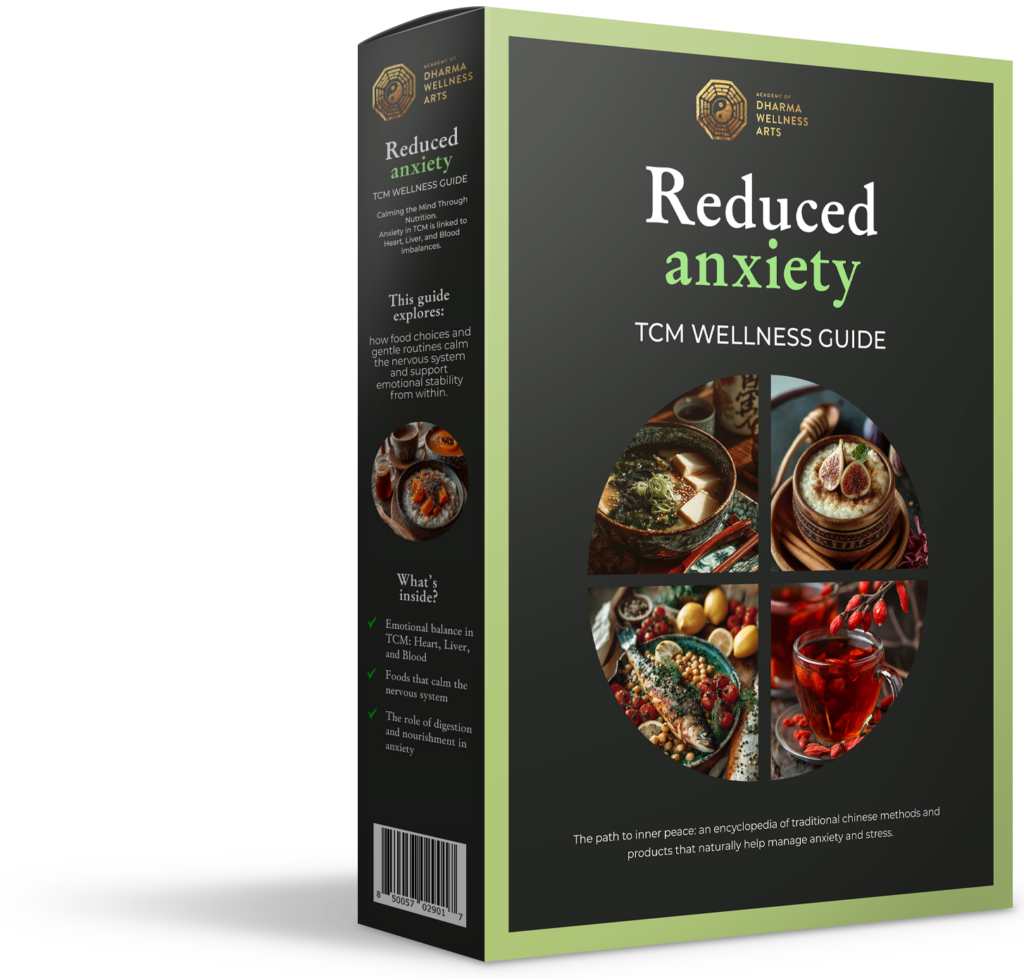
What’s included:
- Clear explanations of why anxiety can become a background state — not just a reaction to stress
- The most common patterns that sustain internal tension (overload, sleep debt, digestive strain, stimulation, emotional load)
- Practical reference points for daily routine, nutrition, and recovery — so support matches your current state
- A universal observation tracker to connect symptoms, factors, and changes over time + a gift of 40+ supportive recipes
You learn to read anxiety as feedback about load and recovery, not as “something wrong with you.”
You see which everyday influences build the anxious baseline quietly — and why it often feels “random.”
The focus shifts from fighting sensations to restoring stability through realistic, steady steps.

Why tension becomes a background state
Persistent anxiety often forms when recovery is insufficient and the nervous system stays “on duty.” Sleep debt, overload, constant stimulation, and internal strain can keep the body in readiness even when no external threat is present. This explains why “just relax” advice often doesn’t change the baseline.
Different causes — similar sensations
The same anxious feeling can come from different mechanisms: overheating, resource depletion, stagnation, digestive overload, or chronic stress load. This guide clarifies why universal recommendations fail — and why similar symptoms may require different kinds of support depending on the state.
From control to resilience
Instead of suppressing symptoms, you build stability by working with the factors that sustain them. The approach is calm and practical: fewer extremes, less self-blame, more clarity. Over time, decisions become steadier because they’re based on observation, not guesswork.