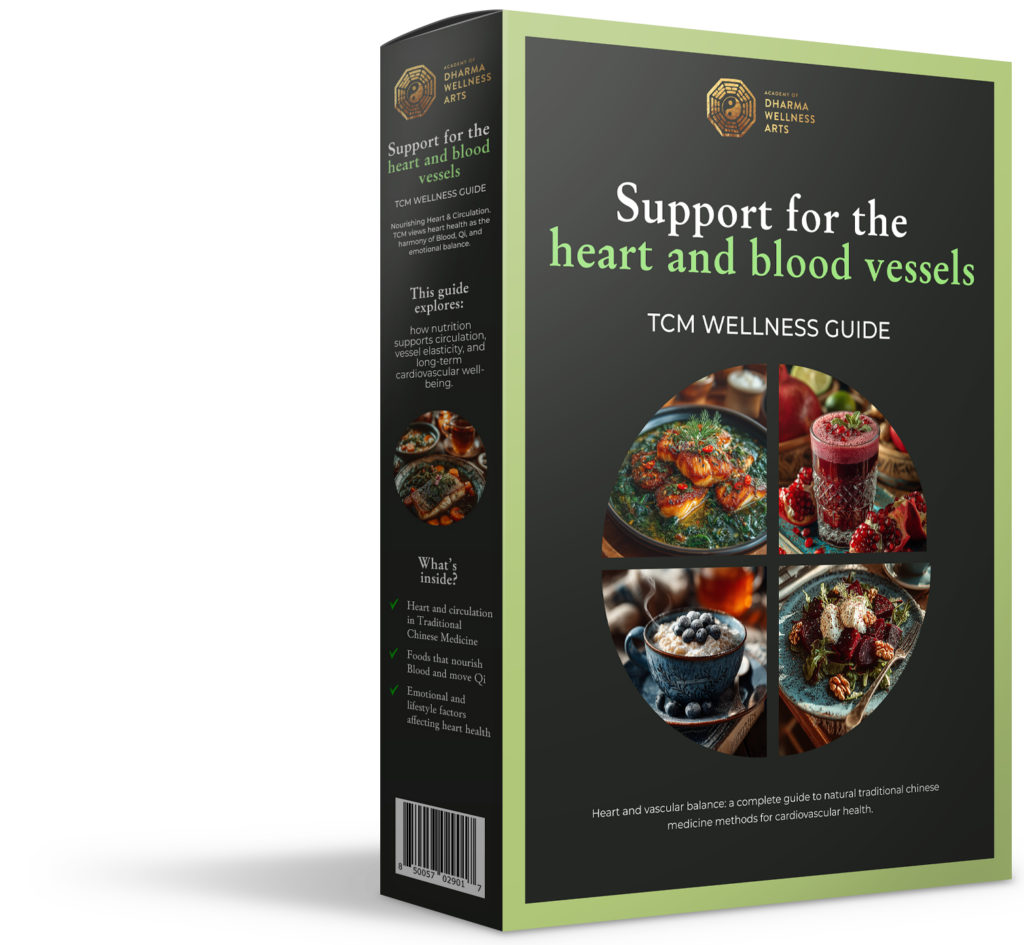

Advantages:
- Explains why pressure changes, heaviness, or heart-area tension can appear even with a “normal” lifestyle
- Shows how overload and weak recovery gradually affect circulation — so symptoms don’t feel sudden or random
- Helps you identify which daily factors truly influence vascular tone and heart comfort (and which changes rarely matter)
- Replaces guesswork with a clear, realistic approach that fits your current state
What’s included:
- A practical explanation of circulation and vascular tone through internal processes, not isolated symptoms
- How nutrition, routine, stress load, sleep, and recovery influence heart-related sensations in real life
- The most common internal patterns behind similar complaints: overload, depletion, slowed processes, prolonged tension
- Clear reference points for choosing supportive steps without rigid schemes or extremes
- A universal tracker to help connect sensations, daily factors, and responses into a consistent strategy
- 40+ supportive recipes as an optional bonus
Small shifts build up over time — long before they feel obvious.
See which everyday influences actually change vascular tone in practice.
Know what matches your current state — and what can quietly make tension worse.
Why standard advice often fails
Most recommendations focus on isolated indicators and miss the overall state. That’s why changes can feel useless: the internal load stays the same, and the body keeps compensating in the old pattern. This guide helps you see what blocks progress in your case and why “the same steps” don’t work equally for everyone.
Different states — similar sensations
Heaviness, tightness, pounding pulse, or pressure swings can come from different internal scenarios: depletion, overload, slowed processes, or prolonged emotional tension. The guide clarifies how similar sensations can require different support logic, so you avoid universal fixes that backfire.
From random attempts to a stable strategy
When you don’t see the full picture, decisions become chaotic: you try something, stop, try something else. Here you build a clearer structure for observing patterns and choosing steps that fit your state — calmly, consistently, and without extremes.